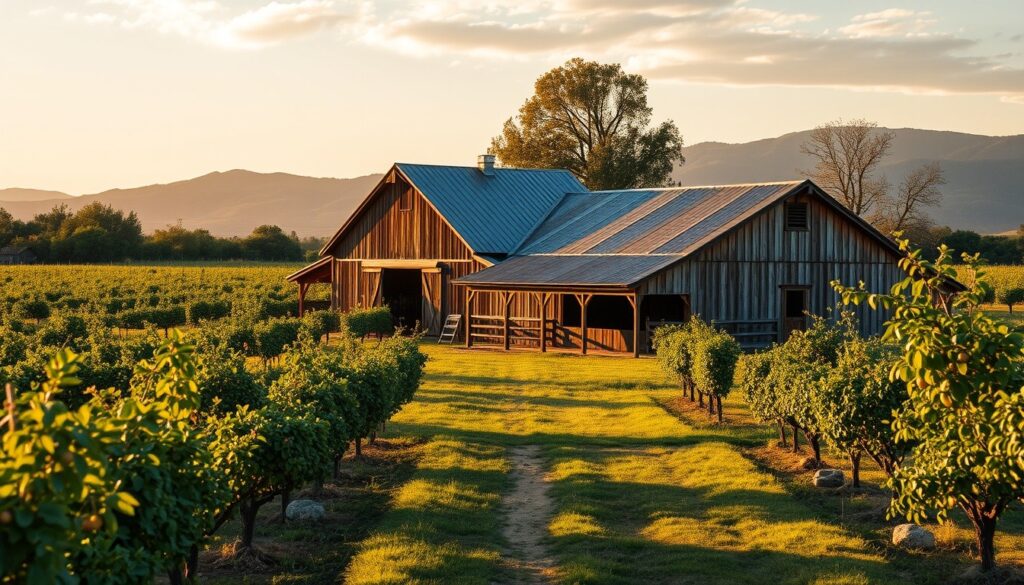
From Concrete to Core: Reclaiming LA’s Forgotten Roots with Heritage Orchards & Soil Alchemy
Los Angeles. The name conjures images of glittering highways, sprawling boulevards, and a vibrant urban pulse. Yet, beneath the asphalt and modern facade lies a rich, often forgotten, agricultural history. Before Hollywood’s golden age, Southern California was a mosaic of citrus groves, vineyards, and sprawling farmsteads, feeding a burgeoning population and exporting its bounty worldwide. Today, as we navigate a world increasingly aware of sustainability and local sourcing, the wisdom of those early agriculturalists is experiencing a powerful renaissance.
Imagine your backyard, patio, or even a community plot, transforming into a living testament to this heritage – a micro-farmstead producing flavorful, resilient fruits and vegetables that taste of history itself. The authoritative research compiled in The Lost American Farmstead: The Definitive Guide to Heritage Orchards, Soil Alchemy, & Self-Sustaining Agriculture offers a blueprint for this very transformation. For LA life readers, this isn’t just a book; it’s a call to action, a guide to reconnecting with the land that shaped our city, one heritage tree and handful of rich soil at a time.
The Local Roots: Southern California’s Agricultural Heartbeat
Southern California’s unique Mediterranean climate – hot, dry summers and mild, wet winters – once made it an agricultural paradise. From the Spanish missions cultivating olives and grapes to the turn-of-the-century citrus empire that literally put California on the map, our region’s fertile valleys and diverse microclimates fostered an incredible array of produce. Estates like the Huntington Library and Descanso Gardens, once private horticultural paradises, stand as majestic reminders of this grand tradition. Even today, despite urbanization, pockets of this agricultural legacy persist, from avocado groves in Ventura to date farms in the Coachella Valley.
The principles outlined in The Lost American Farmstead resonate deeply with our local context. The emphasis on drought-tolerant heritage varieties, water-wise soil management, and creating resilient ecosystems is not merely good practice; it’s essential for gardening successfully in Los Angeles and the broader Southern California landscape. Whether you’re in a coastal microclimate, the warmer inland valleys, or a high-desert fringe, understanding your specific growing conditions is the first step in reclaiming your piece of the lost farmstead.
“Reclaiming our agricultural heritage is not about turning back time, but about harnessing timeless wisdom to build a more sustainable future, right in our own backyards.”
Reclaiming Roots: The Heritage Orchard Revival
At the heart of the lost farmstead concept lies the heritage orchard. These aren’t just any fruit trees; they are rare, heirloom varieties often overlooked by commercial agriculture for their unique flavors, disease resistance, and suitability for specific microclimates – perfect for discerning LA gardeners. Imagine biting into an Olmo’s Best peach, a Satsuma plum that tastes like pure sunshine, or a blood orange with unparalleled complexity, all grown in your own yard.
For Southern California, a heritage orchard might include forgotten citrus varieties like the variegated pink lemon or unique sour oranges, adapted stone fruits, persimmons, pomegranates, or even specific apple varieties that tolerate warmer winters. The guide emphasizes selecting rootstocks tailored to your soil type and desired tree size, making it feasible for even smaller urban lots. Proper spacing, sun exposure, and initial watering protocols are critical. Instead of a uniform monoculture, envision a diverse edible landscape, providing a staggered harvest throughout the year and supporting local biodiversity. For historical context on plant health and diversity, you can explore resources from the USDA Animal and Plant Health Inspection Service (APHIS).
- Choose Wisely: Research heritage varieties known to thrive in USDA Hardiness Zones 9-11 (most of Southern California).
- Smart Planting: Dig wide, not deep, and ensure good drainage. Consider raised beds for heavy clay soils.
- Early Care: Establish a consistent watering schedule for the first few years, especially during LA’s dry summers.
Soil Alchemy: Beneath the Surface of Abundance
No element is more fundamental to a thriving farmstead than healthy soil. The Lost American Farmstead dedicates extensive sections to “soil alchemy” – the art and science of transforming inert dirt into a living, nutrient-rich ecosystem. In Southern California, where soils can range from compacted clays to sandy loams, mastering this alchemy is paramount.
The core tenets include composting, cover cropping, and fostering beneficial microbial life. Composting kitchen scraps, yard waste, and even cardboard creates nutrient-dense organic matter that improves soil structure, water retention (crucial in our arid climate), and nutrient availability. Cover crops like crimson clover or fava beans, grown in off-seasons, suppress weeds, prevent erosion, and fix nitrogen. And beneath it all, the invisible army of mycorrhizal fungi and other microorganisms facilitate nutrient exchange, building a resilient foundation for your plants. Imagine a detailed diagram showing the complex web of life within healthy soil, illustrating how fungi connect root systems and transfer nutrients.
Actionable advice includes conducting a simple soil test, amending with homemade compost, and adopting no-till practices to preserve soil structure. Healthy soil is a living entity, constantly evolving and improving with mindful stewardship. The National Park Service offers valuable insights into the broader importance of soil health for ecological resilience.
The Self-Sustaining Ecosystem: Water, Weeds & Wildlife
A true lost American farmstead is a self-regulating ecosystem, where every element supports the whole. This is particularly vital in drought-prone Southern California. Water conservation isn’t just a recommendation; it’s a necessity.
Implement drip irrigation systems that deliver water directly to root zones, minimizing evaporation. Embrace rainwater harvesting by installing rain barrels or larger cisterns, capturing precious seasonal rainfall. Mulching with wood chips or straw around plants further conserves moisture, regulates soil temperature, and suppresses weeds. Integrated Pest Management (IPM) is another cornerstone, focusing on prevention and natural controls rather than chemical intervention. Attract beneficial insects like ladybugs, lacewings, and parasitic wasps by planting diverse flowering plants. Companion planting, such as marigolds near tomatoes, can deter pests naturally, while creating habitats for local wildlife – birds, lizards, and pollinators – helps maintain ecological balance. This approach fosters a vibrant, resilient garden that works with nature, not against it.
Understanding the long-term economic and resource considerations of agriculture, even at a home-garden scale, can be informed by historical perspectives on resource management, such as those found in the archives of the Federal Reserve Archival System for Economic Research (FRASER), which highlights challenges and innovations in sustaining agricultural endeavors over time.
Deep Dive into the Lost American Farmstead!
Ready to transform your backyard into a thriving, self-sustaining oasis? Unlock the full potential of heritage gardening with the comprehensive insights and step-by-step guidance found in the hardcover edition of The Lost American Farmstead: The Definitive Guide to Heritage Orchards, Soil Alchemy, & Self-Sustaining Agriculture. For an immersive learning experience, enroll in the companion masterclass available exclusively on TodaysCourse.com, where expert instructors bring these ancient practices to life for the modern gardener.
Cultivating a Legacy, One Garden at a Time
The journey to creating your own lost American farmstead in Los Angeles is more than just growing food; it’s an act of defiance against monoculture, a celebration of flavor and diversity, and a powerful statement of sustainability. It’s about connecting with the land, understanding its rhythms, and becoming a steward of its natural bounty. Imagine the satisfaction of harvesting your own heirloom fruit, knowing you’ve contributed to a richer, more resilient ecosystem right in the heart of our bustling city.
By embracing heritage orchards, mastering soil alchemy, and designing for self-sustainability, LA residents can not only enjoy the freshest, most flavorful produce but also play a vital role in preserving our region’s agricultural heritage for generations to come. Your backyard can be a beacon of green, a vibrant testament to what’s possible when we look to the past to cultivate a better future.
Deepen Your Mastery: The Complete Reference Suite
This research is derived from the definitive edition of The Lost American Farmstead: The Definitive Guide to Heritage Orchards, Soil Alchemy, & Self-Sustaining Agriculture, published by Mestizo Media Group and available for $19.99 on the DC Life Gallery Store and major booksellers.
To access the accompanying 5-module video masterclass, student field worksheets, and soil chemistry blueprints, enroll in the companion course on TodaysCourse Academy.
Curated Literature & Los Angeles Downtown Calendar
The Architecture of Focus: Deep Work & Modern Mastery
By Founders Library Press
A structured framework for strategic clarity, productivity, and authentic execution.
Upcoming Downtown Happenings
Live acoustic sessions, gallery receptions, literary salons, and independent trade shows across Los Angeles.
