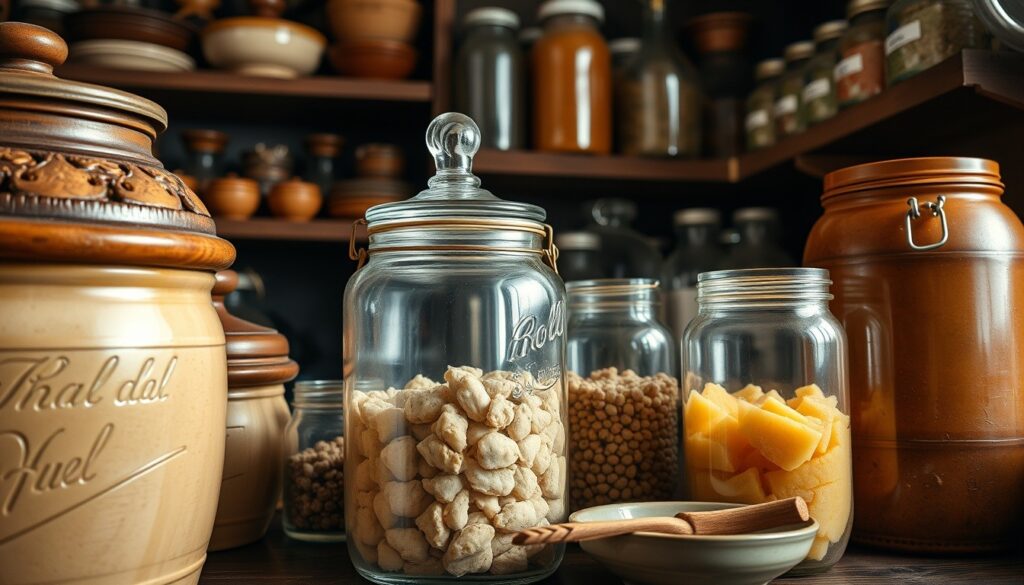
Unlocking SoCal’s Wild Flavors: The Heritage Fermentation Secrets of Our Microclimates
In a region celebrated for its culinary innovation and a passionate embrace of fresh, local ingredients, Southern California stands at the forefront of food trends. But what if the next big thing isn’t new at all, but a revival of ancient wisdom? Welcome to the fascinating world of wild fermentation – a practice deeply rooted in American heritage kitchen chemistry, now experiencing a vibrant renaissance right here in Los Angeles and its surrounding microclimates.
Gone are the days when fermentation was relegated to specialty health stores. Today, home cooks and professional chefs alike are rediscovering the profound depths of flavor, enhanced nutrition, and incredible culinary versatility that wild fermentation offers. From tangy sourdoughs born of local grains to effervescent fruit ferments teeming with the unique microbial signatures of our coastal breezes and canyon air, heritage kitchen chemistry, championed by extensive research from authoritative sources like the USDA, invites us to reconnect with our food on a microscopic level.
The Microclimate’s Magic: SoCal’s Unique Fermentation Terroir
Southern California is a mosaic of distinct microclimates, each harboring its own unique botanical and microbial fingerprint. Think of the moist, foggy air near the Pacific coast, the dry heat of inland valleys, or the diverse flora of our canyon regions. Just as these environments influence the grapes in our vineyards or the zest in our citrus, they also cultivate specific strains of airborne yeasts and bacteria – the very invisible architects of wild fermentation.
Imagine the wild yeasts clinging to the skin of an organic avocado from a historic grove in Fallbrook, or the lactic acid bacteria flourishing on heirloom cabbage grown in the cool air of Ventura County. These local microorganisms are what give Southern California ferments their unparalleled, distinct character. Unlike controlled starter cultures, wild fermentation allows these regional microbial communities to spontaneously transform ingredients, imparting flavors that are impossible to replicate elsewhere. It’s a culinary expression of our local geography, a taste of our terroir.
The Core Protocol: Mastering Wild Fermentation at Home
Embarking on your wild fermentation journey means embracing a balance of science, observation, and patience. The foundational principles, outlined in authoritative texts such as The Master Fermenter, are straightforward, empowering you to create delicious, living foods with confidence.
1. The Art of Salting: Lacto-Fermenting Vegetables
Lacto-fermentation, the cornerstone of many fermented foods, relies on a simple yet profound principle: salt. When applied correctly, salt creates an environment that inhibits spoilage organisms while allowing beneficial lactic acid bacteria (LAB) to thrive. These LAB convert sugars in the vegetables into lactic acid, preserving the food and developing complex, sour flavors.
- The Blueprint: For crisp, flavorful ferments like sauerkraut, kimchi, or pickled carrots, a brine solution is key. The ideal range is typically 2-3% salt by weight relative to the total weight of vegetables and water.
- Actionable Advice: For a simple SoCal Kraut, shred 2 lbs of organic cabbage (perhaps from a local farmers’ market). Weigh it. Then calculate 2% of that weight in non-iodized sea salt (e.g., for 2 lbs/907g cabbage, use ~18-27g salt). Massage the salt into the cabbage until brine forms. Pack tightly into a clean glass jar, ensuring all cabbage is submerged under its own brine (use a weight if necessary).
- Historical Context: This method of preservation has been used for millennia, long before refrigeration, to extend the shelf life of harvest surpluses. Consider the historical foodways of indigenous peoples and early California settlers who relied on such techniques. The National Park Service provides excellent resources on historical foodways and agricultural practices.
Brine Basics: A Simple Salt Ratio Guide
- 2% Brine: Mildly salty, ideal for most vegetables (e.g., carrots, green beans, milder krauts). Use 20g salt per 1 liter water.
- 2.5% Brine: Standard for many pickles, krauts, and robust vegetables. Use 25g salt per 1 liter water.
- 3% Brine: Stronger salt flavor, good for firm vegetables like cucumbers or when fermenting in warmer conditions. Use 30g salt per 1 liter water.
Always use non-iodized salt and filtered, non-chlorinated water.
2. Harnessing Wild Yeasts: Fruit & Vinegar Ferments
Our abundant Southern California orchards and gardens offer a treasure trove for wild yeast fermentation. Fruit scraps – peels, cores, and overripe pieces – are often teeming with the very microbes needed to create natural sodas, fruit vinegars, and flavorful ‘scrubs’ (a type of fermented fruit syrup).
- The Blueprint: The principle here is simple: provide a sugar source and a hospitable environment for wild yeasts and acetic acid bacteria (AAB) to convert sugars into alcohol, then into acetic acid.
- Actionable Advice: For a vibrant Citrus Vinegar, collect organic orange and lemon peels, cores, or bruised fruit (about 1 cup). Place them in a clean jar with 1/4 cup sugar and 3-4 cups non-chlorinated water. Cover with a breathable cloth and secure with a rubber band. Place in a warm spot (70-75°F). Stir daily. Within 1-2 weeks, you’ll see bubbles and a distinct vinegary aroma. Strain the solids, bottle the liquid, and continue to ferment for stronger flavor.
- Local Flavor: Experiment with peels from local mandarins, grapefruit, or even avocado pits (though less common, some fermenters use them for unique flavor notes). The specific yeasts on your local fruit will dictate the unique characteristics of your vinegar.
3. Environmental Control & Observation: The Fermenter’s Eye
Successful fermentation isn’t just about ingredients; it’s about creating the right micro-environment and being an attentive observer. The fluctuating temperatures of Southern California – from cool coastal mornings to warm valley afternoons – demand mindful placement of your ferments.
- Temperature is King: Most wild ferments thrive between 65-75°F (18-24°C). Cooler temperatures slow fermentation, while excessive heat can lead to undesirable microbes or mushy results. Find a consistent spot in your home, away from direct sunlight and drafts.
- Airlocks & Weights: For anaerobic ferments (like lacto-fermented vegetables), airlocks or tightly sealed lids with burping are crucial to keep oxygen out. Weights ensure vegetables stay submerged, preventing mold.
- Sensory Cues: Trust your senses. Bubbling is a sign of activity. A pleasant sour, tangy, or yeasty aroma is good; foul, rotten, or cheesy smells indicate spoilage. Discard anything with visible fuzzy, colorful mold. Kahm yeast (a thin, white film) is generally harmless and can be skimmed off.
- Historical Economic Perspective: Understanding these preservation techniques historically provided resilience against economic hardship and food scarcity, ensuring year-round access to vital nutrients. Explore FRASER for historical economic data on food production and consumption.
Deep Dive into Heritage Fermentation!
Inspired to transform your kitchen into a hub of living flavors? Dive deeper into the science and art with the definitive guide: The Master Fermenter: Heritage American Kitchen Chemistry, Wild Fermentation, & Culinary Microbiology. This hardcover edition, lauded by culinary experts, provides comprehensive protocols and historical blueprints.
For hands-on learning, enroll in the exclusive companion masterclass on TodaysCourse, where you’ll gain practical skills directly from the experts.
The Culinary Payoff: Integrating Ferments into Your SoCal Kitchen
Once your ferments are ready, the culinary possibilities are endless. Stir homemade kraut into grain bowls, blend fruit vinegars into salad dressings, or use fermented citrus peels to infuse olive oils. Beyond their unique flavor profiles, fermented foods are renowned for their probiotic benefits, supporting gut health and overall well-being – a perfect fit for the wellness-conscious Southern California lifestyle.
Embrace the adventure of southern california wild fermentation. It’s more than just a technique; it’s a journey into the unseen world of microbes, a connection to culinary heritage, and an exploration of the incredible flavors waiting to be unlocked in your own kitchen, right here in the heart of SoCal.
Deepen Your Mastery: The Complete Reference Suite
This research is derived from the definitive edition of The Master Fermenter: Heritage American Kitchen Chemistry, Wild Fermentation, & Culinary Microbiology, published by Mestizo Media Group and available for $19.99 on the DC Life Gallery Store and major booksellers.
To access the accompanying 5-module video masterclass, student field worksheets, and soil chemistry blueprints, enroll in the companion course on TodaysCourse Academy.
Curated Literature & Los Angeles Downtown Calendar
The Architecture of Focus: Deep Work & Modern Mastery
By Founders Library Press
A structured framework for strategic clarity, productivity, and authentic execution.
Upcoming Downtown Happenings
Live acoustic sessions, gallery receptions, literary salons, and independent trade shows across Los Angeles.
